


The Angelus Prayer

Every Sunday and on solemn feasts at 12.00 the Pope looks out from the window of his apartment in St. Peter’s Square for the prayer of the "Angelus".
This Latin name comes from the first word of the prayer: “Angelus Dómini nuntiávit Mariae. Et concépit de Spíritu Sancto”. (Lk 1)
Which translated into English means: “The Angel of the Lord declared the Good News to Mary. And she conceived by the Holy Spirit.”
This prayer recalls the Mystery of the Incarnation.
From Easter to Pentecost, the "Regina Coeli" is recited instead of the Angelus, which is a prayer in remembrance of the Resurrection of Jesus, the Messiah. Before praying the Angelus, the Pope usually gives a short speech taking inspiration from the readings of the day. Then he greets the pilgrims present in St. Peter’s Square.
Summary of the Angelus of 06.12.2020
This Sunday’s Gospel passage (Mk 1:1-8) introduces the person and work of John the Baptist. He reveals to his contemporaries an itinerary of faith similar to the one that Advent proposes to us, who are preparing ourselves to receive the Lord at Christmas.
This itinerary of faith is an itinerary of conversion. What does the word ‘conversion’ mean? In the Bible it means, first and foremost, to change direction and orientation; and thus also to change one’s way of thinking. In the moral and spiritual life, to convert means to turn oneself from evil to good, from sin to love of God.
Receiving baptism was an outward and visible sign of the conversion of those who had listened to his preaching and decided to repent. That baptism occurred with immersion in the Jordan, in water, but it proved useless; it was only a sign and it was useless if there was no willingness to repent and change one’s life.
For us this implies a journey made up of two aspects:
1) Detachment from sin and worldliness, and in this the Baptist is an example for us;
2) The other aspect of conversion is the aim of the journey, that is, the search for God and his kingdom. Detachment from worldly things and seeking God and his kingdom, communion and friendship with Him.
But this is not easy, because there are many ties that bind us closely to sin; and then there is inconstancy, discouragement, malice, unwholesome environments, bad examples. At times, the yearning we feel toward the Lord is too weak and it almost seems that God is silent; his promises of consolation seem far away and unreal to us, like the image of the caring and attentive shepherd, which resounds in the reading of today. And so one is tempted to say that it is impossible to truly convert. When you have this discouraging thought, do not remain there, because this is quicksand.
So, what to do? First of all, we must remind ourselves that conversion is a grace: no one can convert by his or own strength. It is a grace that the Lord gives you, and thus we need to forcefully ask God for it. To ask God in prayer to convert us, to give us strength.
God is not a bad father. He is tender. He loves us so much, like the Good Shepherd. Begin to walk, because it is he who moves you to walk, and you will see how he will arrive. Pray, walk, and you will always take a step forward.
May Mary Most Holy help us to separate ourselves more and more from sin and worldliness, in order to open ourselves to God’s love.
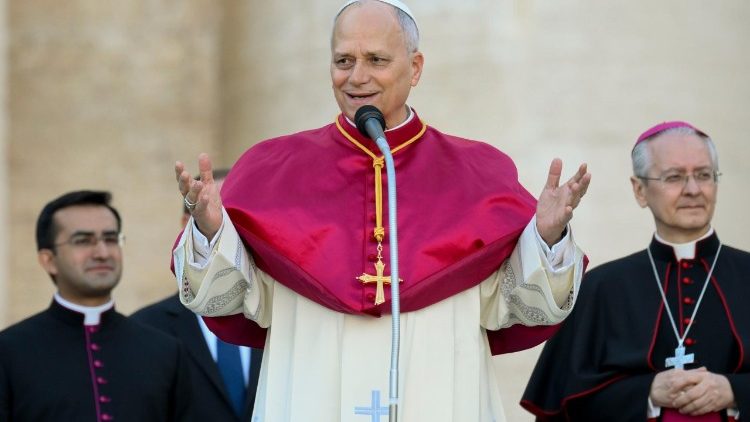 Pope Leo at Prayer Vigil for Peace: Stop planning arms and death
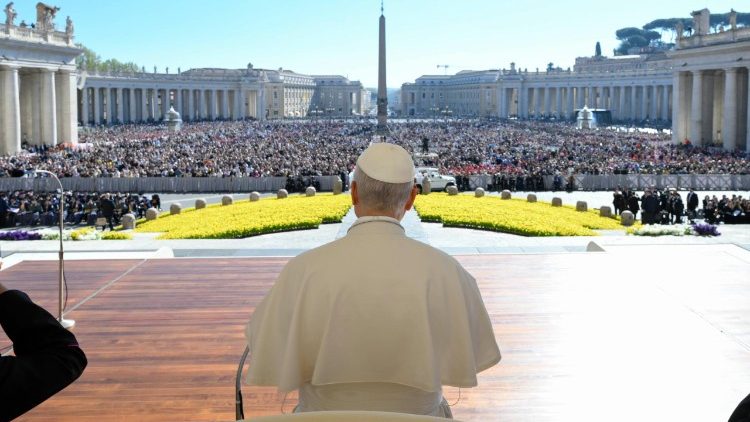 Pope at Audience: Holiness Is Not a Privilege For the Few
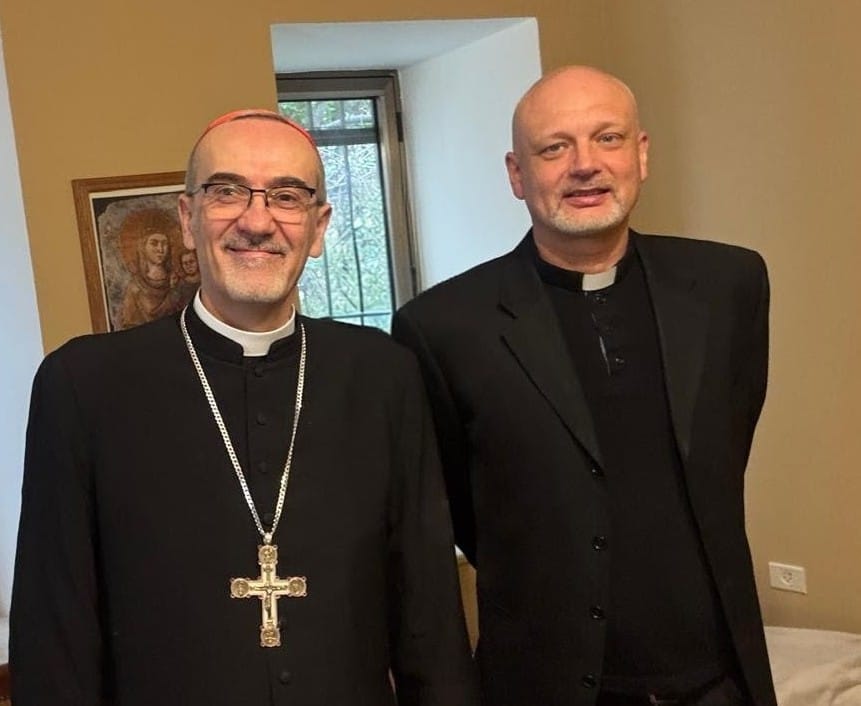 Cardinal Pizzaballa: Abusing God’s Name for War is the Gravest Sin
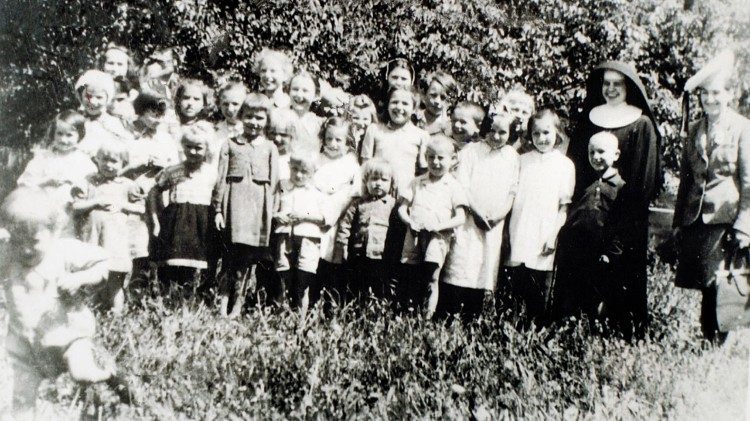 Commemorating Thousands of Polish Religious Sisters who Rescued Jews During WW2
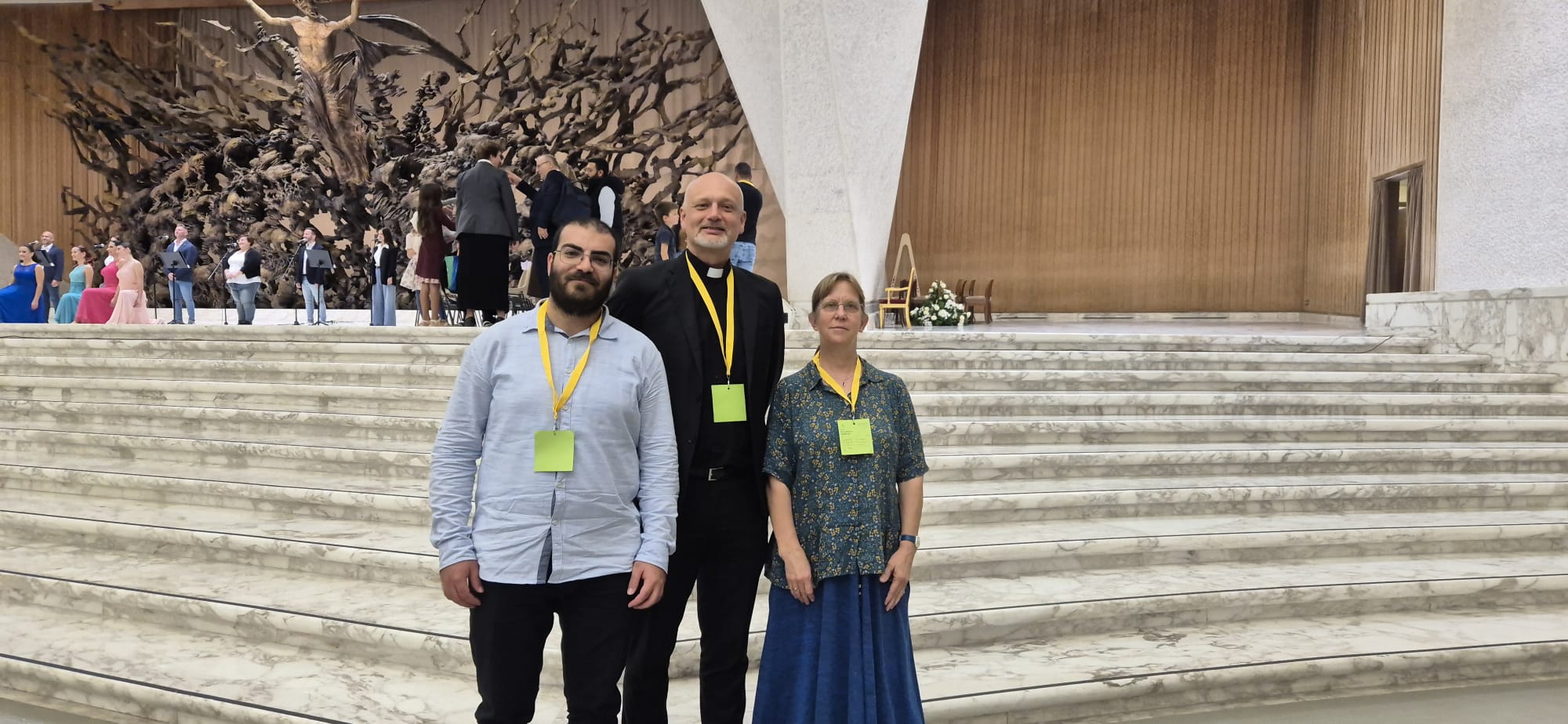 Jubilee of Synodal Teams
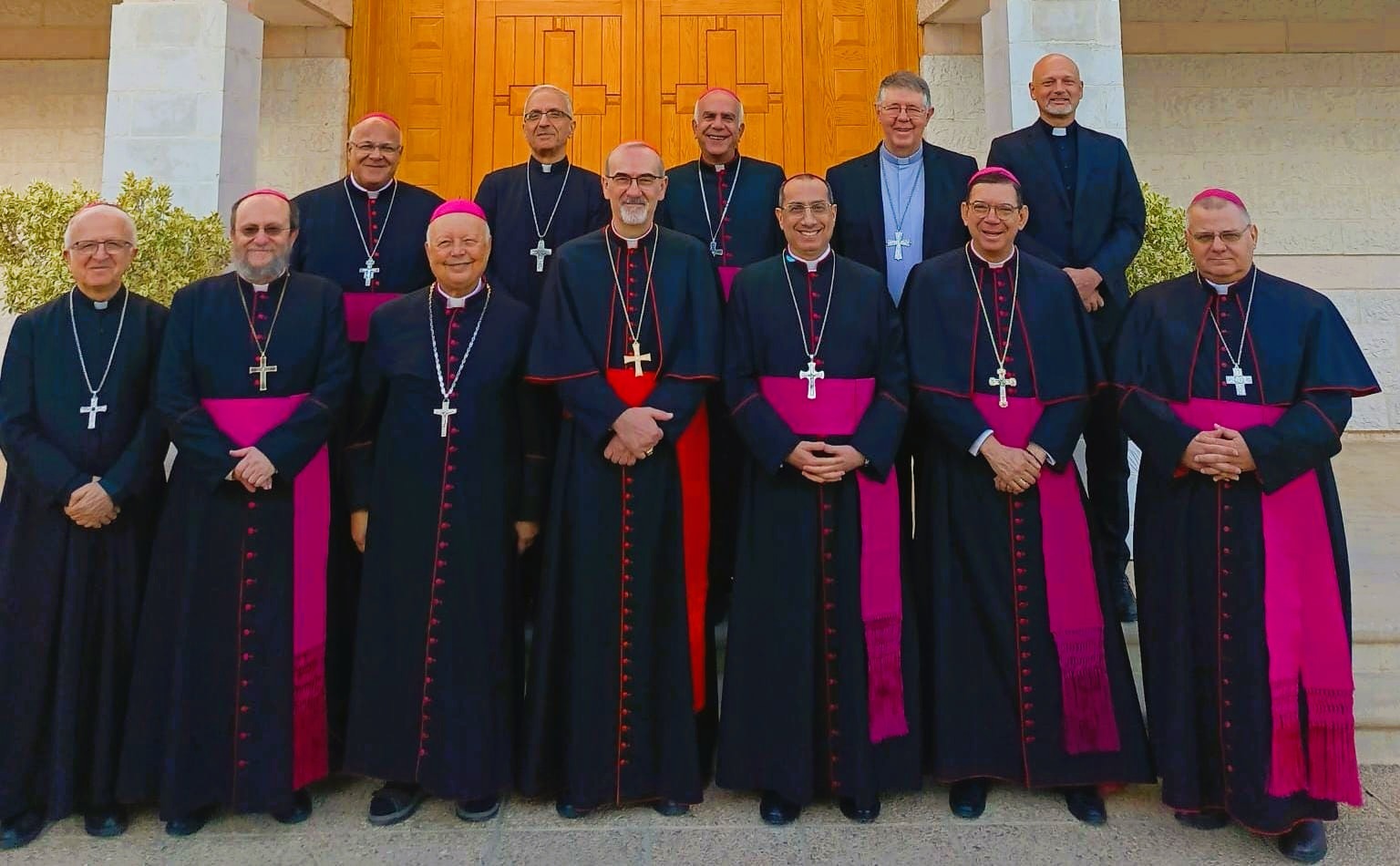 Meeting of Latin Bishops Conference
 Pope Leo in "Dilexi Te": Faith Cannot be Separated from Love for the Poor