

Hebrew Speaking Christians Celebrate Ascension at Sunrise on the Mount of Olives
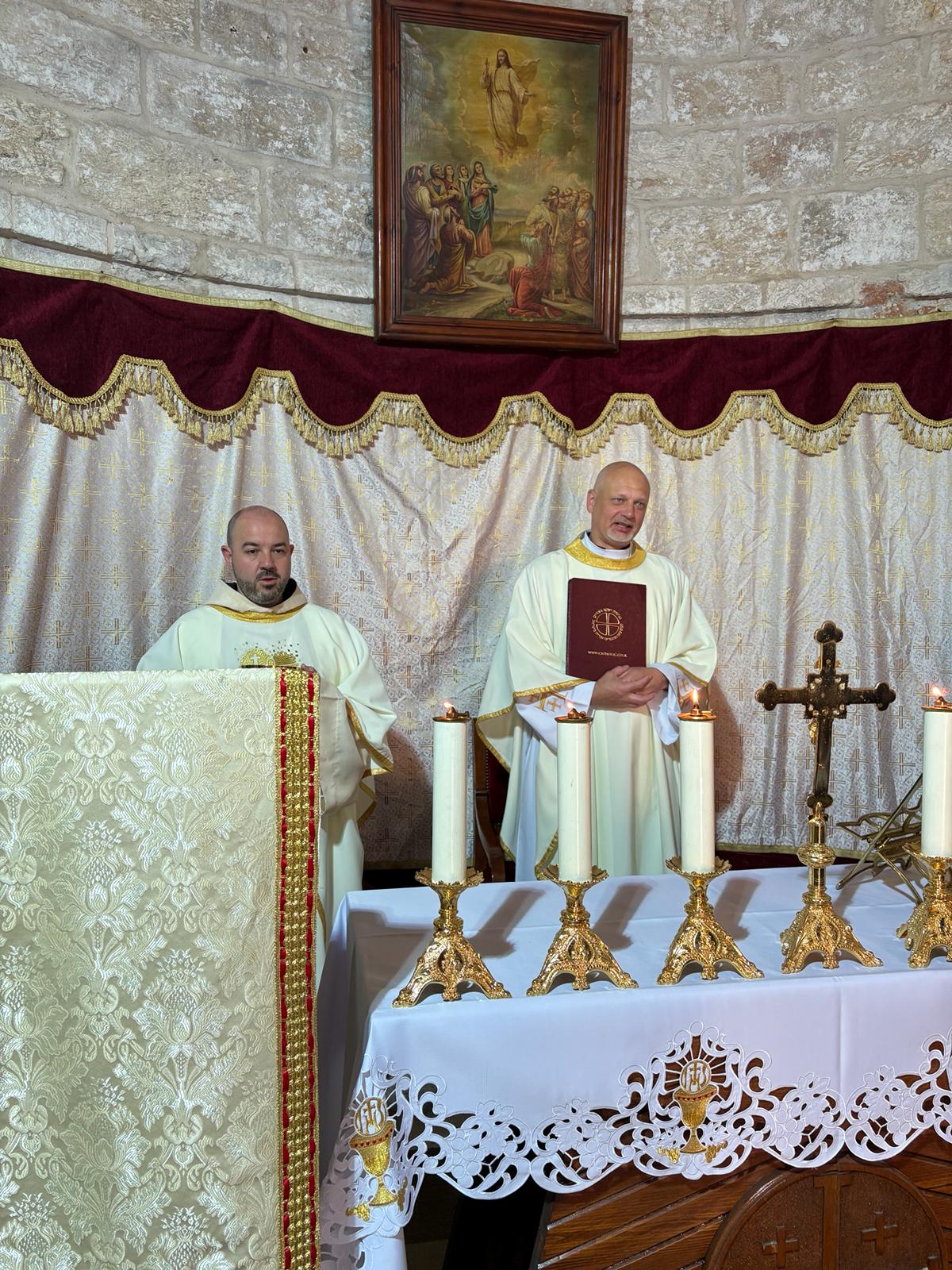
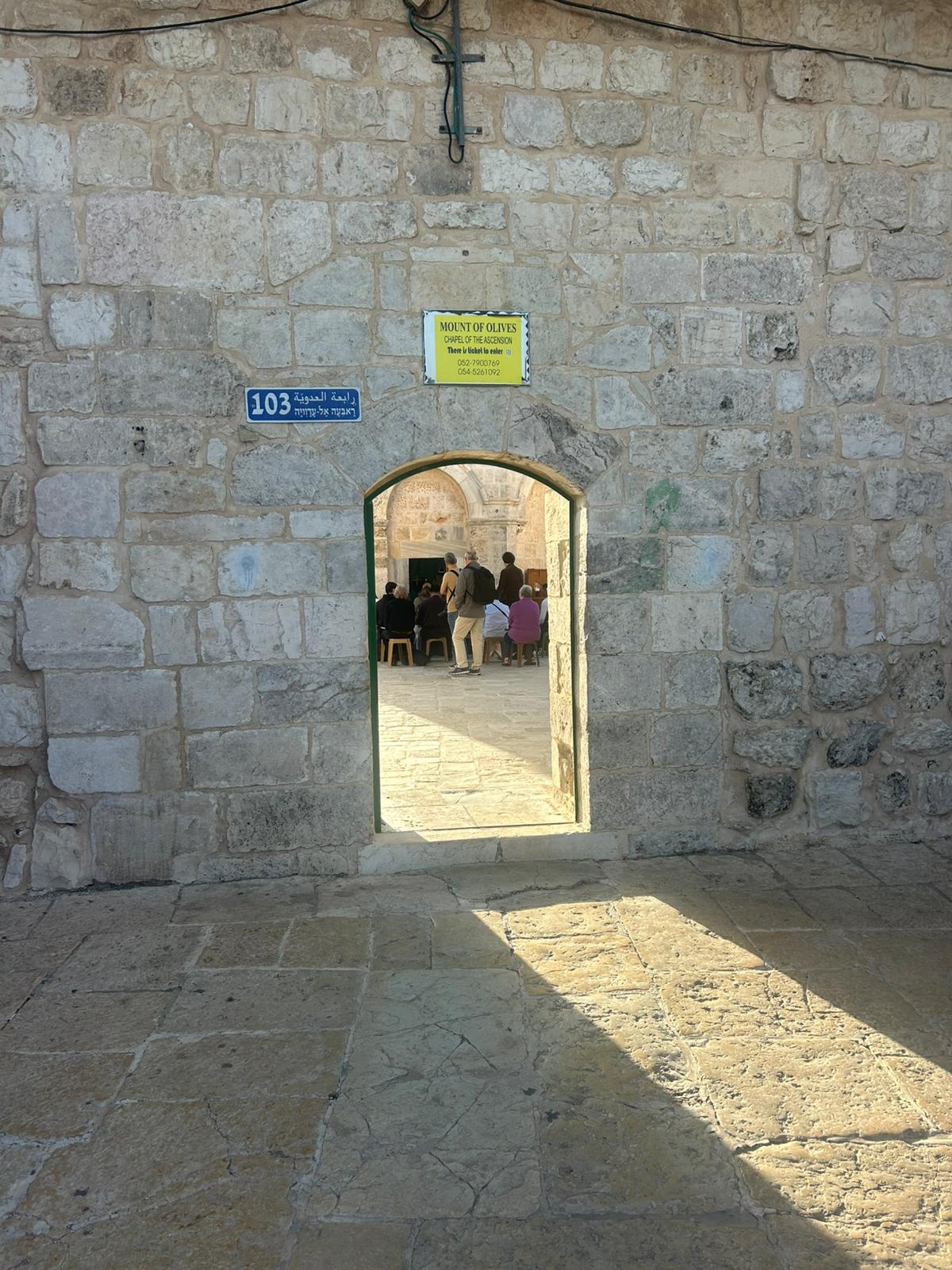
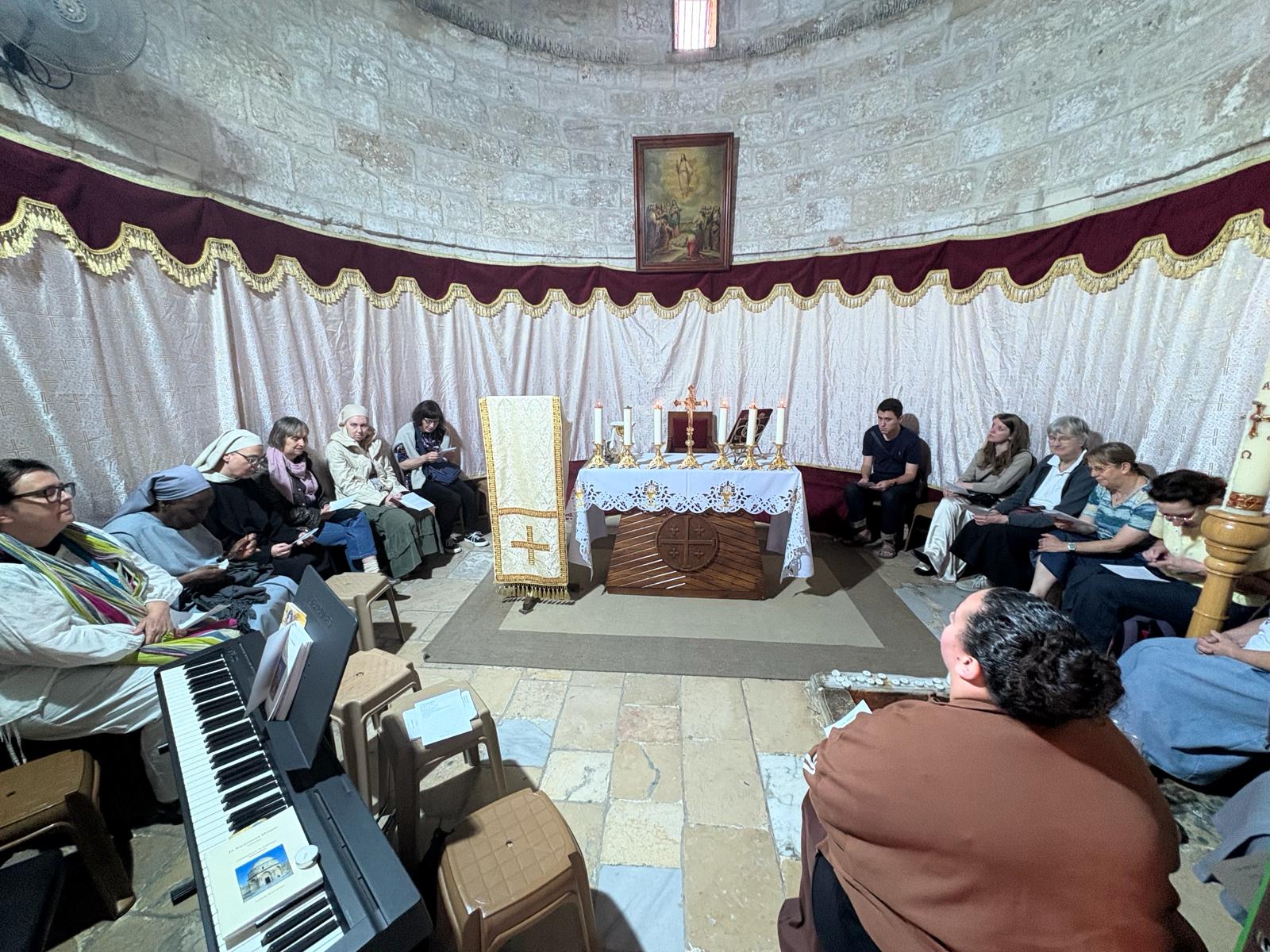
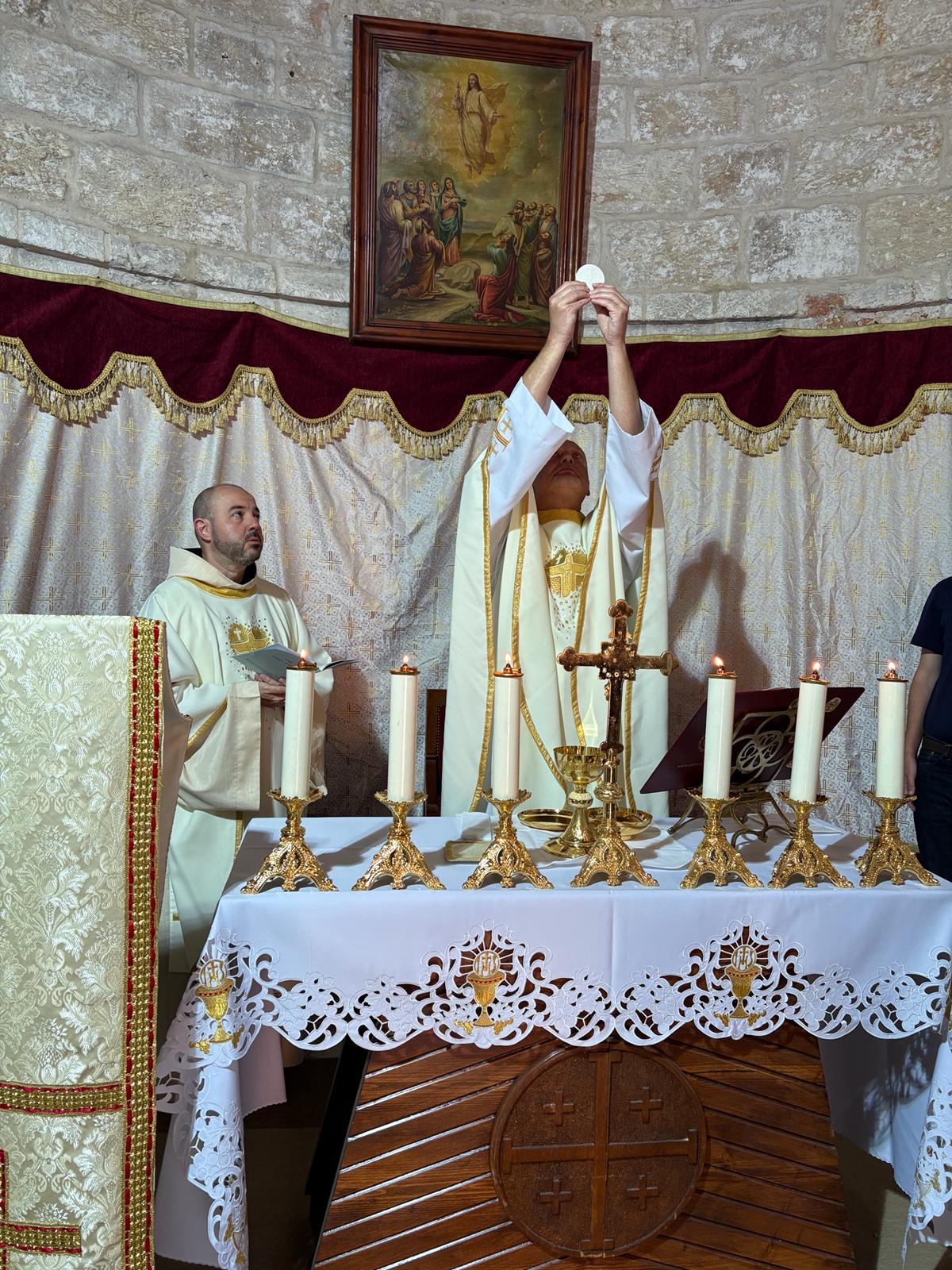
The Eucharist gathered the faithful from Jerusalem Community of Hebrew-speaking Catholics in Israel. Together with the Vicar, Fr. Piotr Zelazko, they had the opportunity to celebrate the Solemnity of Ascension at sunrise. Since the place belongs to the Muslims, the liturgy is allowed once a year, on the Solemnity of Ascension.
In his homily, the Vicar said that "Between Heaven and Earth the Feast of the Ascension becomes deeply personal." He reminded the main spiritual directions of the interpretation of the Feast in the history of Christianity. These perspectives are not mutually exclusive; rather, they highlight different aspects of its meaning across theological traditions and periods:
1. Christological (Glorification of Christ)
The Ascension is understood as the exaltation of Christ to the right hand of the Father (cf. Acts 1:9–11, Philippians 2:9–11).
It confirms that Jesus is Lord and King, sharing fully in divine glory.
2. Soteriological (Salvation-Oriented)
Christ ascends not to abandon humanity, but to complete the work of salvation.
He enters heaven as a high priest and mediator (Hebrews 9:24).
3. Anthropological (Human Destiny and Dignity)
Christ ascends in his human nature, meaning humanity itself is raised into divine life.
4. Ecclesiological (Mission of the Church)
The Ascension is connected with the Great Commission (Matthew 28:19–20).
Christ entrusts the Church with continuing his mission.
5. Pneumatological (Preparation for the Holy Spirit)
The Ascension is not an absence, but a transition toward Pentecost.
Christ “goes” so the Holy Spirit may come (John 16:7).
6. Eschatological (Hope of Glory and Return)
The Ascension points toward Christ’s second coming.
It assures believers of their future heavenly destiny.
7. Mystical / Spiritual Interiorization
The Ascension is also an inner journey: the soul is called to “ascend” to God.
He said also that even if "the Solemnity of Ascension invites us to reflect deeply: theologically, philosophically, spiritually, since Christ’s Ascension raises profound questions about the relationship between heaven and earth, eternity and human life.
Yet beyond all reflection, Ascension ultimately becomes a very personal question: What does it mean for each of us in the contemporary situation, daily life with its challenges?"
The celebration contained also the prayer for the Holy City of Jerusalem with all its inhabitants.
Jerusalem Day (Hebrew: Yom Yerushalayim) is an Israeli national holiday marking the reunification of Jerusalem in 1967 during the Six-Day War (June 7, 1967). Celebrated on the 28th of the Hebrew month of Iyar (falls on a different date each year in the Gregorian calendar) it includes state ceremonies, memorial prayers and thanksgiving services, as well as educational events.
Day of Jerusalem in Jewish tradition may be seen as the restoration of Jewish access to the Old City, especially the Western Wall. It may also be interpreted religiously by some as part of divine providence in history and is often celebrated with psalms of thanksgiving (Hallel) and special liturgies.
From a Christian theological/spiritual perspective, this day may be reflected on in a more universal way: Jerusalem as a spiritual symbol: the “heavenly Jerusalem” (cf. Revelation 21). It is also a call to pray for peace in Jerusalem (Psalm 122:6) and an invitation to a reflection on the city as a place of salvation history: Passion, Resurrection, Ascension.
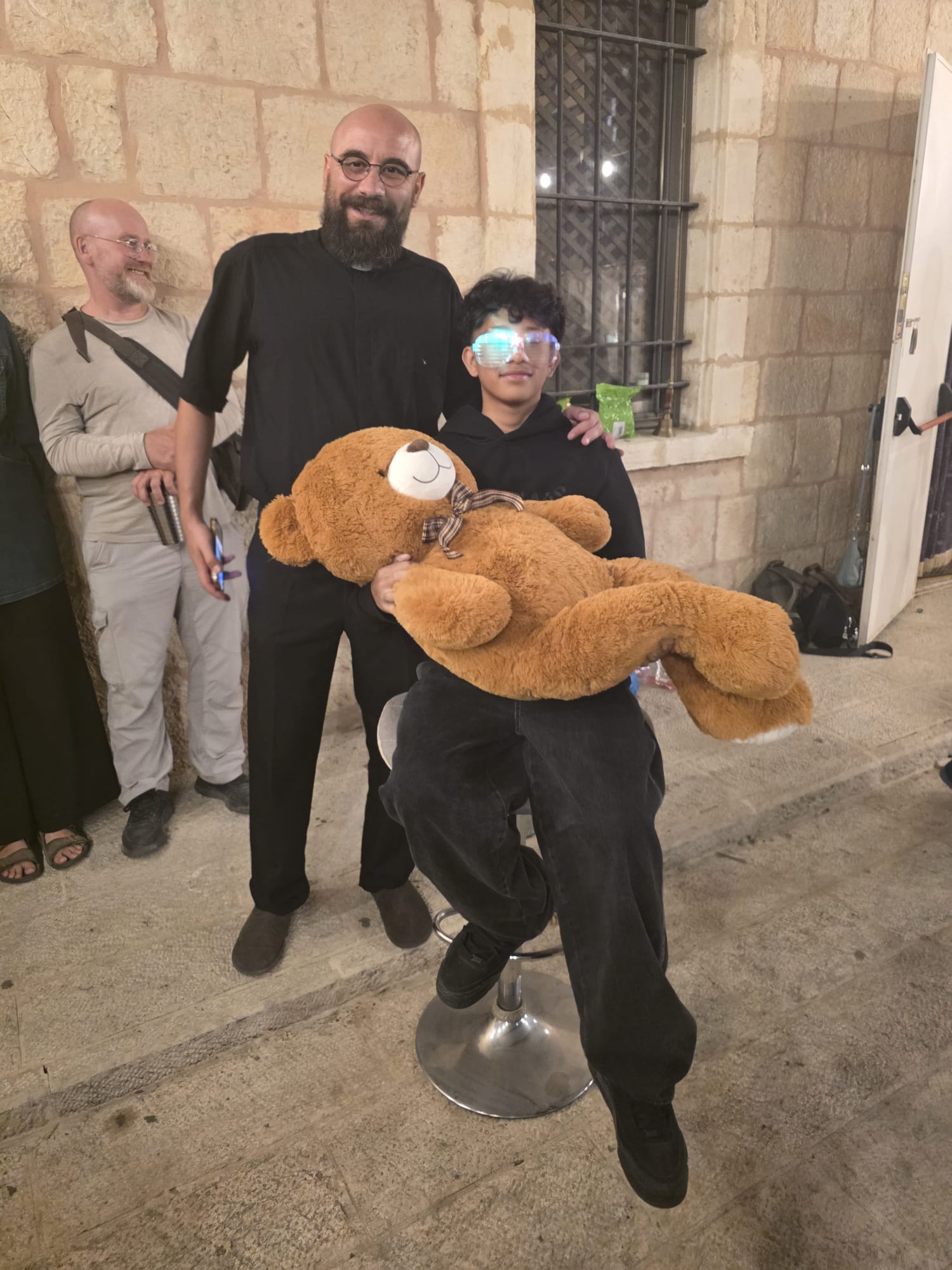 Evening of Games at Jerusalem Community
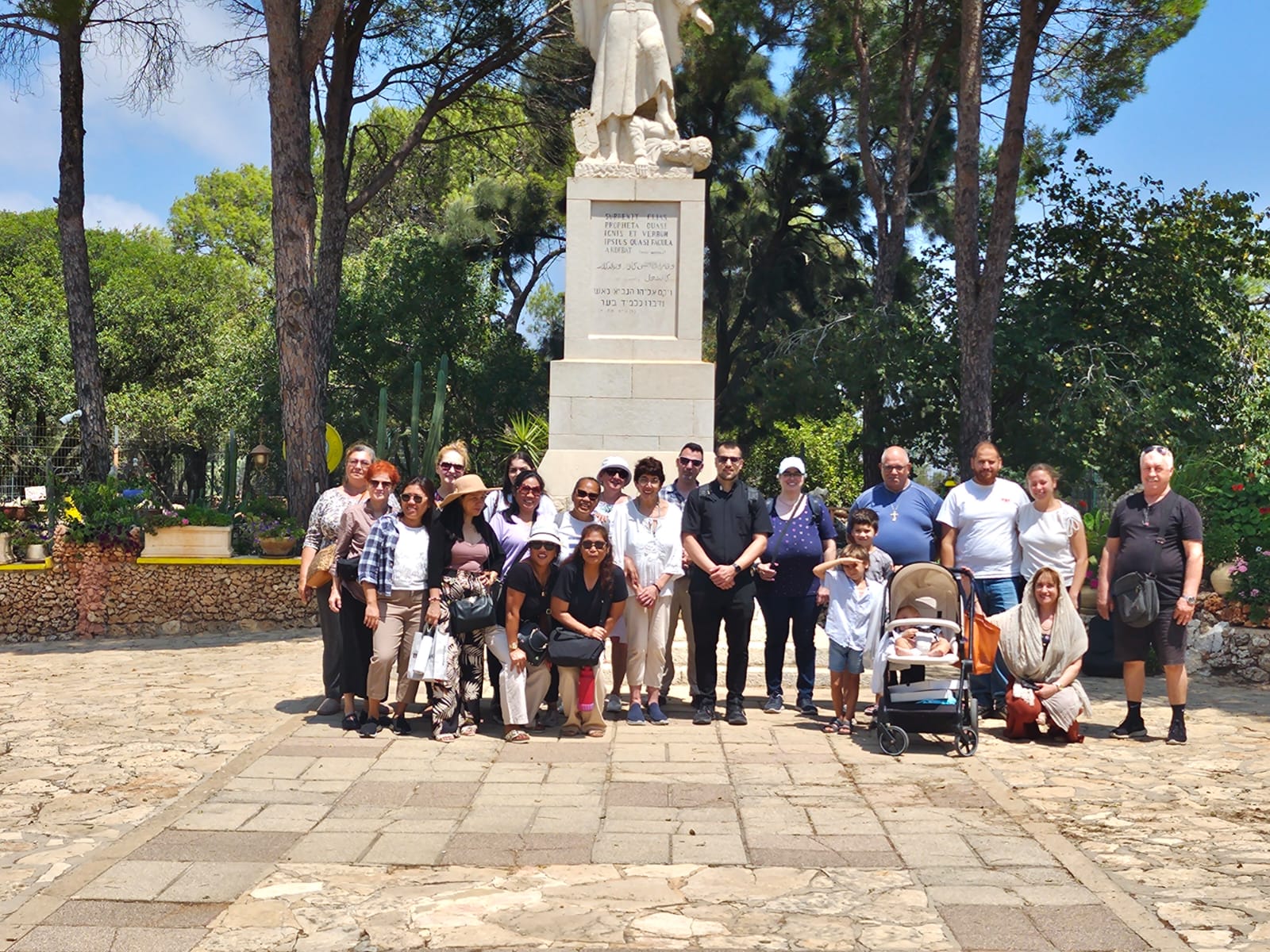 A Pilgrimage of Grace on Mount Carmel
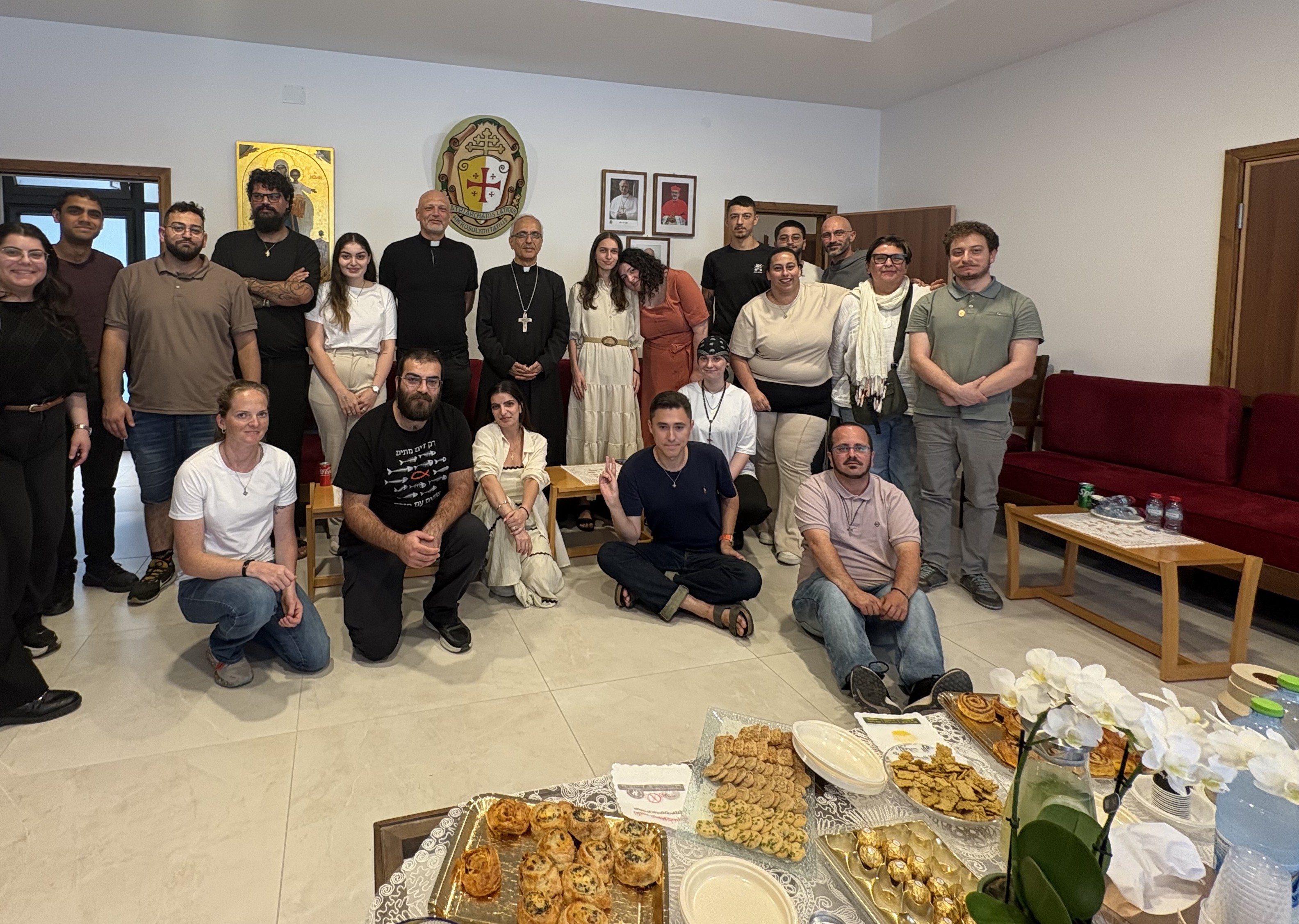 Young Adults Weekend in Nazareth
 Lag BaOmer Feast in Jaffo
 Independence Day Celebration
 A Lenten Retreat in Jerusalem
 Christian Family of Beer Sheva Suffered from Iranian Missile