

Statistics at the end of 2019
At the occasion of Christmas 2019 and of the New Year 2020, the Central Bureau of Statistics released data on the Christian population in the State of Israel. For example, on Christmas Eve, approximately 177,000 Christians (Arabs and non-Arabs alike) lived in Israel, which is about 2% of the country's population.
On the Eve of Christmas 2019, the Christian population of Israel stood at approximately 177,000 citizens, or 2% of the overall population,
In 2018, the population grew by 1.5%, compared to 2.2% in the previous year. Over three-quarters (77.5%) of the Christians living in Israel are Arabs, the CBS said, representing 7.2% of all Israeli-Arab citizens. Most of the Arab Christians, around 70.6% of them, live in northern Israel today. Some 41,3% of the non-Arab Christians live in the district of Tel Aviv and in the Central district, while 33,6% live in the Northern district and in the district of Haifa.
The cities with the highest number of Christian population are Nazareth (21,900 inhabitants), Haifa (16,100), Jerusalem (12,700) and the Galilee city of Shefaram (10,300), according to the figures of end 2018.
A total of 855 Christian couples got married in Israel in 2017. The average age of first marriage was 30.1 years old for Christian men, and 26 years old for Christian women.
In 2018, 2,721 babies were born to Christian women, 76% of whom were born to Arab Christian women (2,067 babies).
The average number of children aged under 17, in Christian families with children aged up to 17 years old, is 1.87, the average being 1.96 in Christian Arab families. These figures are lower than those of Jewish families (2.37) and Muslim families (2.77).
Some 74.4% of the Christian students who prepared a Master’s degree were women, while women represented 63.1% of the total numbers students preparing a Master degree. In doctoral studies, these averages were 62.8% and 53.2%, correspondingly.
Among all undergraduate students, the highest share of Arab students was recorded in management information systems (MIS) studies (15.3% of all students), musicology (13.7%) and transportation engineering (10.9%).
Compared to the Arab Muslim students, the percentage of Christian Arab students who studied education and teacher training was lower, and the percentage of those who studied engineering and architecture, law and medicine was higher.
The highest percentage of students who received a high school diploma meeting the university's threshold requirements, was among Christian Arabs - 70.9%, similar to the percentage among the Hebrew education students (70.6%), and higher than the percentage among Druze (63.7%) and Muslims (45.2%).
For the link to the Central Bureau of Statistics click here
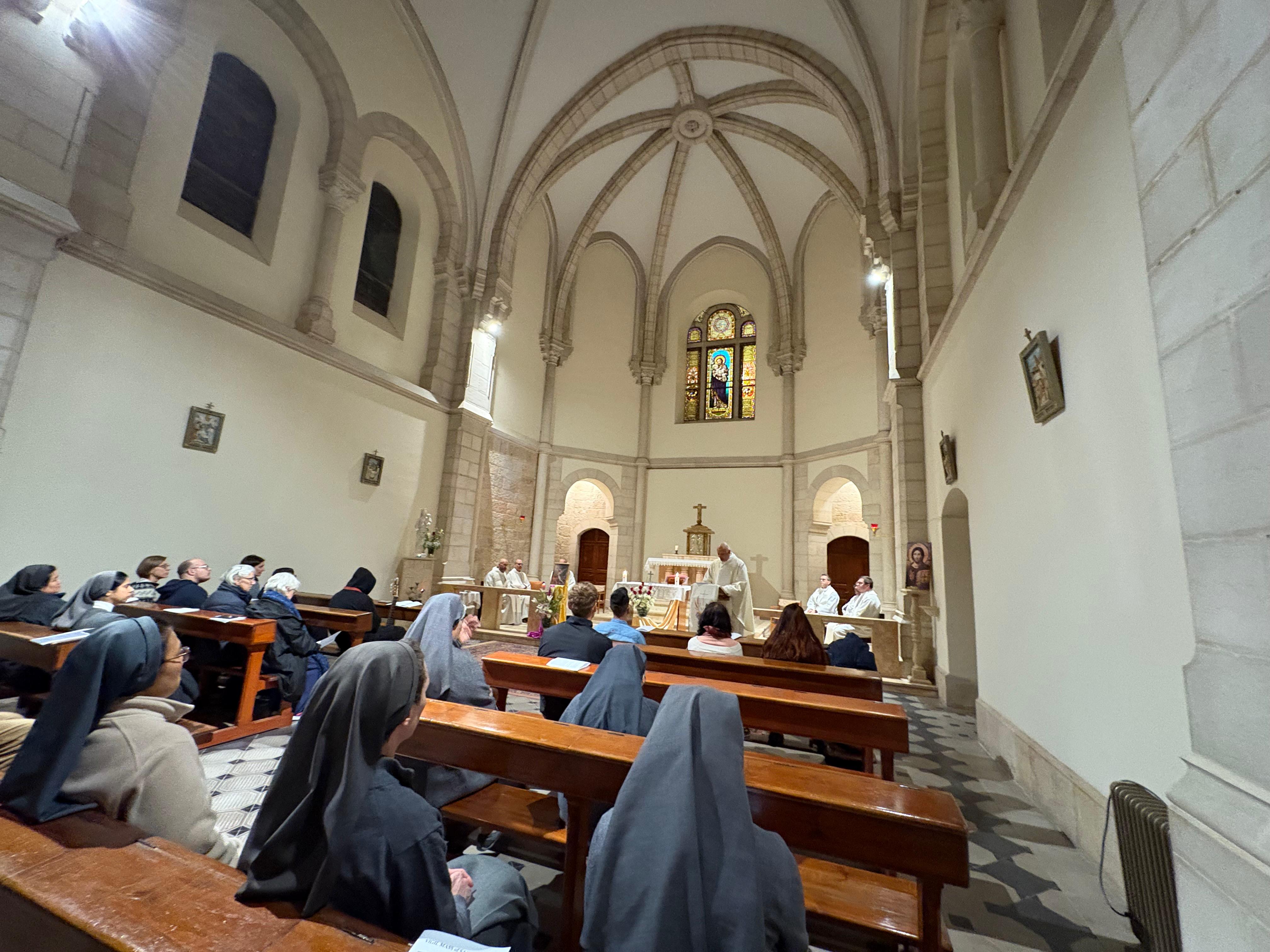 Célébration de Saint Joseph avec les Sœurs de Saint-Joseph
  Lettre de Carême au Diocèse de Jérusalem
 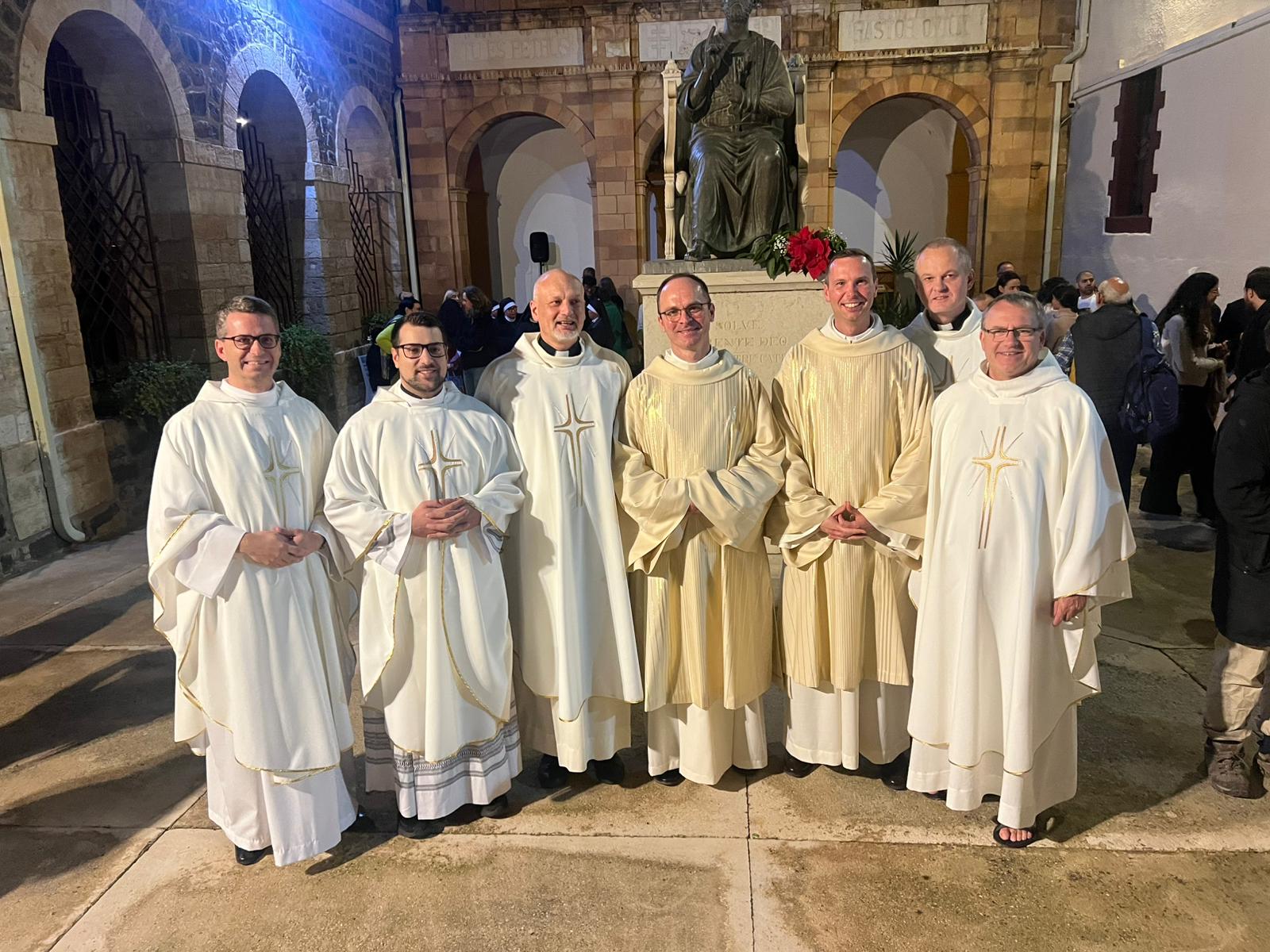 Ordination Diaconale du Frère Daniel
  Journée de la vie consacrée
 La Fête de Notre Dame de Valeur
 La semaine de prière pour l’unité des chrétiens est reportée à la période de Pentecôte
 Message du Patriarche Pierbattista Pizzaballa pour Noël 2020