

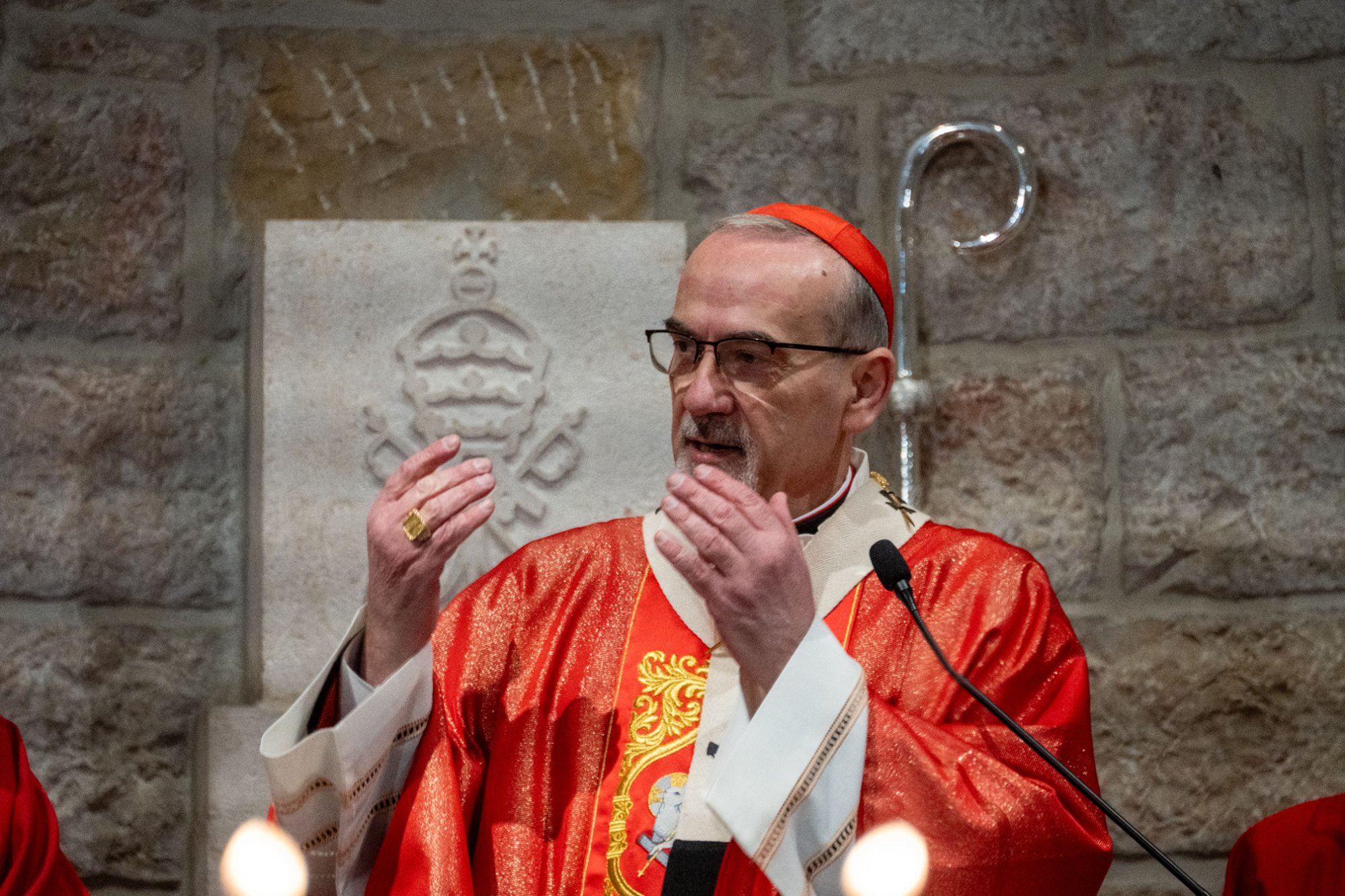
Homily of Cardinal Pizzaballa at the Solemnity of St. James
Dear brothers and sisters in Christ our Lord,
Beloved sons and daughters of the Church, who carry the Israeli heritage as a living and inseparable part of your Christian identity:
We gather today to celebrate the Lord’s Supper in the Holy City of Jerusalem - Mother of the Churches, the place where our faith was born, and where, for the first time, women and men testified that Jesus, who was crucified, is the risen Lord. Here every stone bears both promise and wound; here the history of salvation and the history of the Church are interwoven in a way found nowhere else.
Seventy years ago, this Vicariate was founded, then known as the “Work of James,” named after the first bishop whom we remember today. Seventy years - the span of a generation, a time of fidelity and of perseverance through trial; a time that recalls the seventh day of creation and opens onto the eighth day, the day of resurrection. We are not simply marking a jubilee, but an ecclesial path of faithfulness that has grown in the heart of the Church in Jerusalem and serves the entire universal Church.
The Word of God we have heard brings us back to the beginnings of the Church’s journey - to that place where she learned not to close in upon herself, not to break or to divide, but to seek unity without surrendering the truth.
In the Acts of the Apostles, we encounter the Church at a particularly sensitive moment. The question at stake is anything but secondary: who can belong to the community of believers in Christ, and by what path?
The apostles and the elders gather together. The Church discerns and reflects as a community. She does not entrust the decision to a few, does not impose from above, and does not flee from disagreement. She accepts the effort required by encounter - as an ecclesial act.
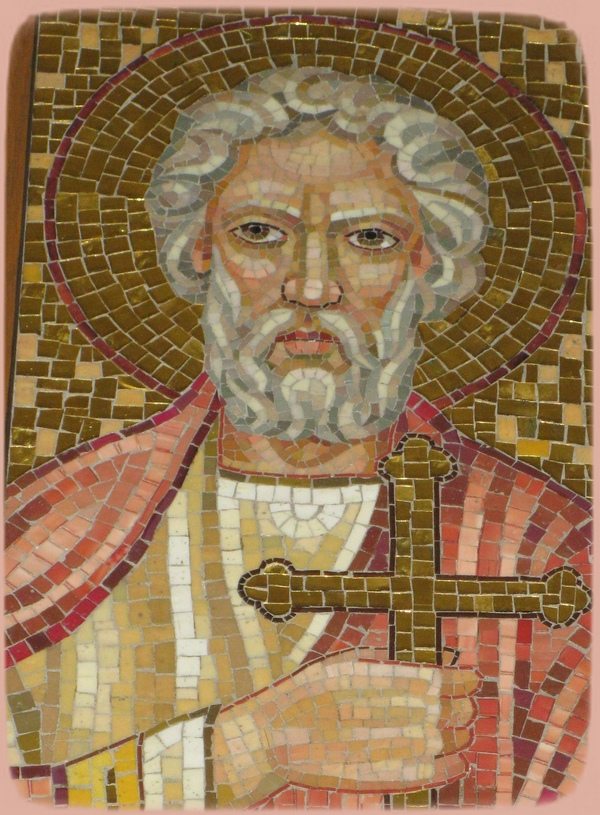
James, the brother of the Lord and the first bishop of the Church in Jerusalem, takes the floor not as an external arbiter, but as a guardian of unity: “we should not make it difficult for the Gentiles who are turning to God” (Acts 15:19). His words do not abolish differences, do not erase Israel, and do not reduce the covenant to something relative - but they prevent differences from becoming a barrier within the community.
The Vicariate of Hebrew-speaking Catholics was born and lives from this very logic: as a unique mission in the service of the unity of the Church; as a sign that catholicity is not uniformity, but a true communion of different stories gathered around Jesus.
Seventy years of the Vicariate’s life have been a daily practice of genuine ecclesial living: to translate, to accompany, to listen, to serve. Not to build a “different” Church, but to build, from within, the one Church of Jesus, in Jerusalem, in Israel, in the Holy Land.
James the Just knows the fragility of unity. He knows that even within the Church one can believe without loving, proclaim without serving. Yet true unity is born when faith consents to be tested within history.
And here, the Word of God addresses us directly to the living Church in Jerusalem.
The Church in this land is necessarily multifaceted: different languages, different rites, different histories, different sensitivities, and different origins. This plurality is a blessing - but also a constant temptation: to live as separate islands, each concerned with its own preservation. But the Church is not an archipelago; she is one Body.
To embrace the tension of unity is not a problem to be solved, but a vocation to be lived. To flee from it is to impoverish the Church; to remain within it is to participate in her most authentic form.
The Vicariate reminds the entire Church in Jerusalem that unity is built through a living bond, even when it comes at a cost. The community is not a comfort zone; it is a place of encounter with the Risen One, who opens our hearts to true life.
Here in Jerusalem, there is a cost to gathering for a single prayer when languages and rites are so diverse and at times so distant from one another. There is a cost to listening to the story of the other, when each community carries its own wounds, memories, and fears. There is a cost to accepting that the other - even one who speaks a different language and comes from a different history may teach me something about following Jesus.
For seventy years, the Vicariate has not shied away from this cost. It has borne it day by day, not as an act of heroism, but as the simple way of loving Christ. Without triumphalism, without concealing difficulties, simply by remaining faithful to Him.
The Gospel offers us the decisive image: the house built upon the rock. Not a private dwelling, but a house of community, standing firm amid the storms of history.
How many storms have swept over this Church in the past seventy years? And yet, what has enabled her to stand has not been any ecclesiastical strategy, but a single foundation: Jesus.
Only a Church that draws her life from Christ can remain united within diversity. Only a Church built upon Him can pass through conflicts without being broken. Only a Church that recognizes Him as the rock of her existence can live plurality as communion rather than division.
Seventy years are not a destination, but a responsibility entrusted to us for the future. Today, the Church in Jerusalem, in all the richness of her faces and missions, is called to renew her “yes” to unity in Christ.
May the Vicariate of Hebrew-speaking Catholics continue to stand at the heart of the Mother Church as a sign of fidelity and joy: not a fringe, but a vital voice; not a refuge, but a bridge.
And a bridge between whom? Between the Church of the Gentiles, which has entered the covenant through faith in Christ, and the people of Israel. The Vicariate does not stand between these two shores in order to erase differences, but to remind us that faith in Jesus Christ is a source of joy and peace. It is called to bear witness before Israel that the Christian family in the Holy Land and throughout the world is an integral part of building a world made whole, a world that seeks peace in the love of God. Seventy years of this service have helped ensure that the Church in Jerusalem does not forget her living roots.
Yet these seventy years are not merely a retrospective. Today, as we celebrate here in Jerusalem, this land is in turmoil. The long days of war, the voices of lament rising from every corner of the land and from all sides, the deep divisions within Israeli society and the pain they bear, the frustrated hopes for freedom within Arab society that are increasingly deferred, all these are not a backdrop to our lives; they are our very reality.
The Church in Jerusalem cannot allow herself to celebrate a jubilee as though this reality were absent. Precisely now, in this seventieth year, we are called to ask: What does the Church look like in such a time? How can we speak of “unity in the Church” when the most basic human unity around us is breaking apart?
The responsibility entrusted to us is not only to preserve the achievements of the past, but to offer a living witness here and now: that Jesus is our hope, even in the heart of what seems impossible. Not as a magical solution, but as the rock upon which we can weep together, pray together, and refuse to give up hope.
 "Reconciliation is not forgetting the wounds. It is refusing to let those wounds define the future."
 Two New Books by Prof. Ilya Grits Reach Israel
 Liturgical Calendar for the Year 2026/27 Available Online
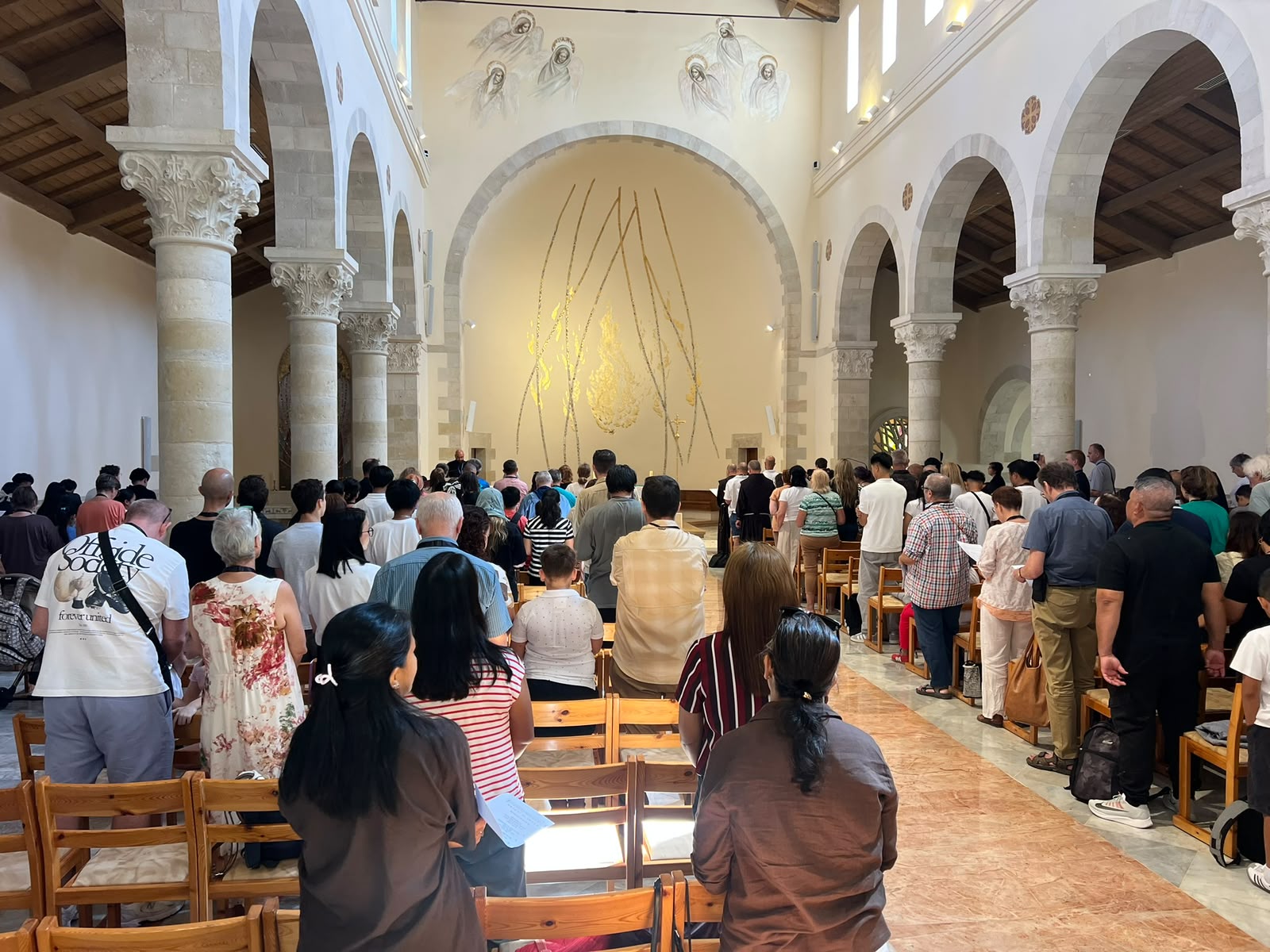 Feast of Communities Sukkot 2026
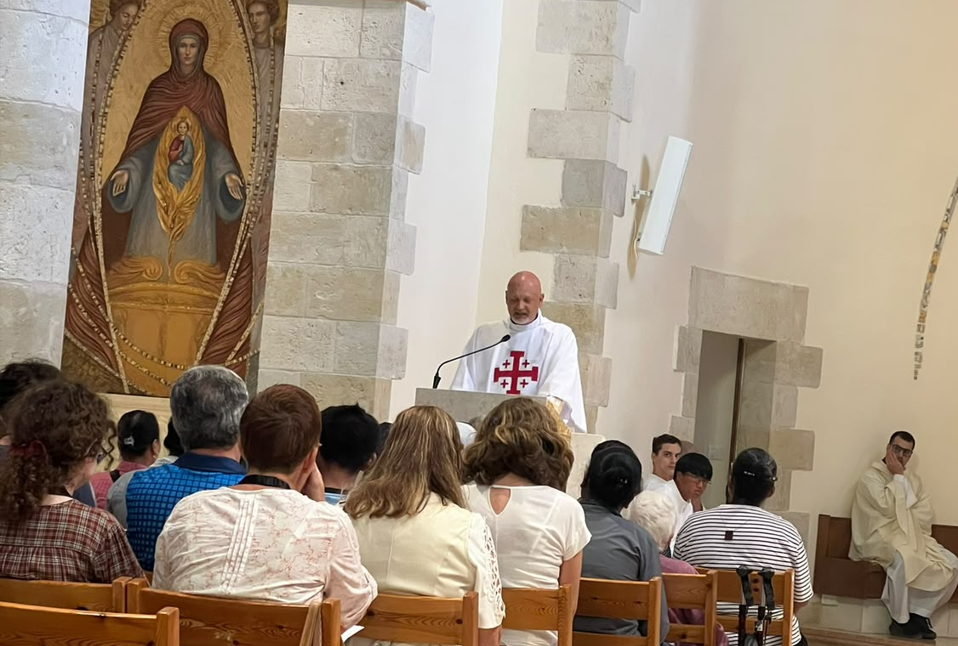 Homily of Fr. Piotr on Yom HaKehilot (Sukkot 2026)
 Yom Kippur Retreat in Silence and Fasting
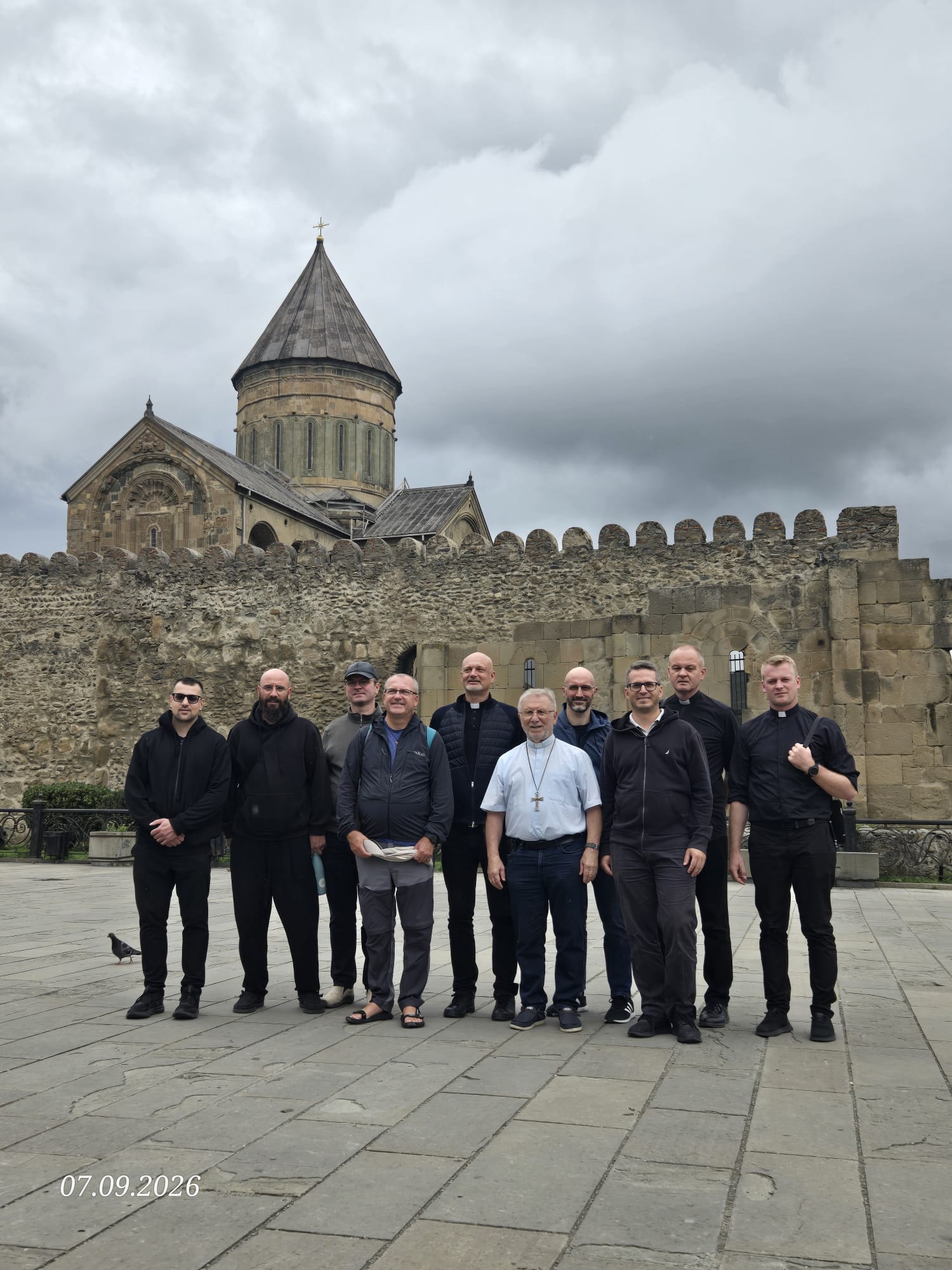 Priests of the Vicariate Gather in Georgia for Annual Retreat